You can stay active, consistent, and still miss the one thing your body actually needs as you get older. After 30, muscle loss isn’t a theory. It’s happening. Slowly at first, then faster. And most people never adjust their training to account for it.
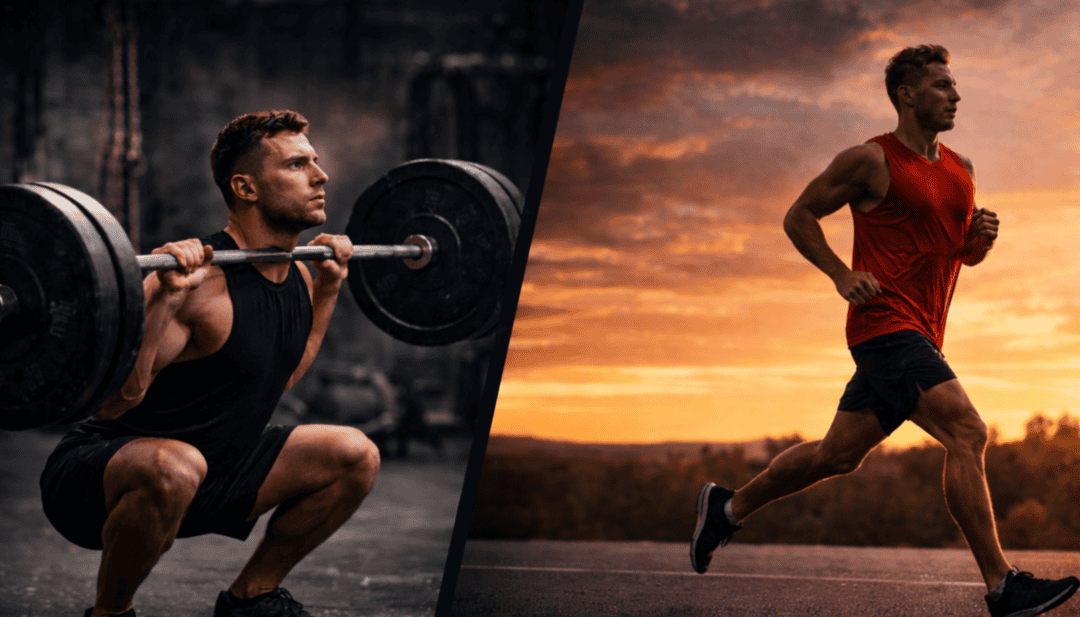
Pilates, yoga, cycling. All valuable. But none of them replace what strength training does to your body. If you’re not actively maintaining muscle, you’re actively losing it. And that has consequences most people only realise when it’s too late.
I want to have a real conversation about this because there is so much noise around fitness and most of it is missing the point. I cover the full picture in the video below. What I want to add here is what the science actually says about why muscle loss matters so much more than most people realise, and what is happening in the body when you do not address it.
What is actually happening to your body after 30
The condition has a name: sarcopenia. It refers to the age-related loss of skeletal muscle mass and function, and it begins earlier than almost everyone expects. From your early thirties your body starts losing muscle at roughly 3 to 5% per decade. By the time you are in your 40s and 50s that rate accelerates. Somewhere between 25 and 45% of older adults are already living with clinically significant sarcopenia, most without knowing it.
The reason this matters so far beyond aesthetics is that muscle is not just about looking toned. Muscle is your metabolism, because muscle tissue burns energy at rest and losing it slows your metabolic rate. Muscle is your bone density, because the mechanical load of resistance training is one of the primary signals that tells your bones to stay dense. Muscle is your balance and your joint stability. And muscle, genuinely, is your longevity. The research connecting muscle mass to reduced risk of cardiovascular disease, type 2 diabetes, cognitive decline, and all-cause mortality is not subtle.
Why the training most people do is not enough
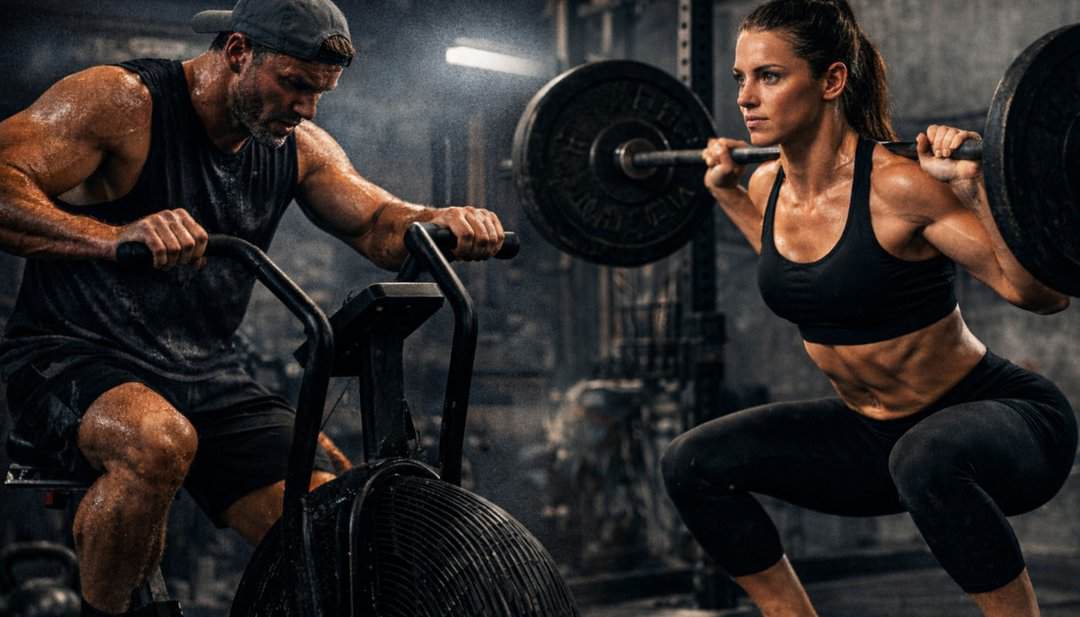
Pilates is incredible for core stability and flexibility. Yoga is incredible for your nervous system, your mobility, your mind. Cycling will absolutely get your heart pumping. None of these are things to stop. But none of them create the mechanical load your bone and muscle needs to actually stay dense and strong.
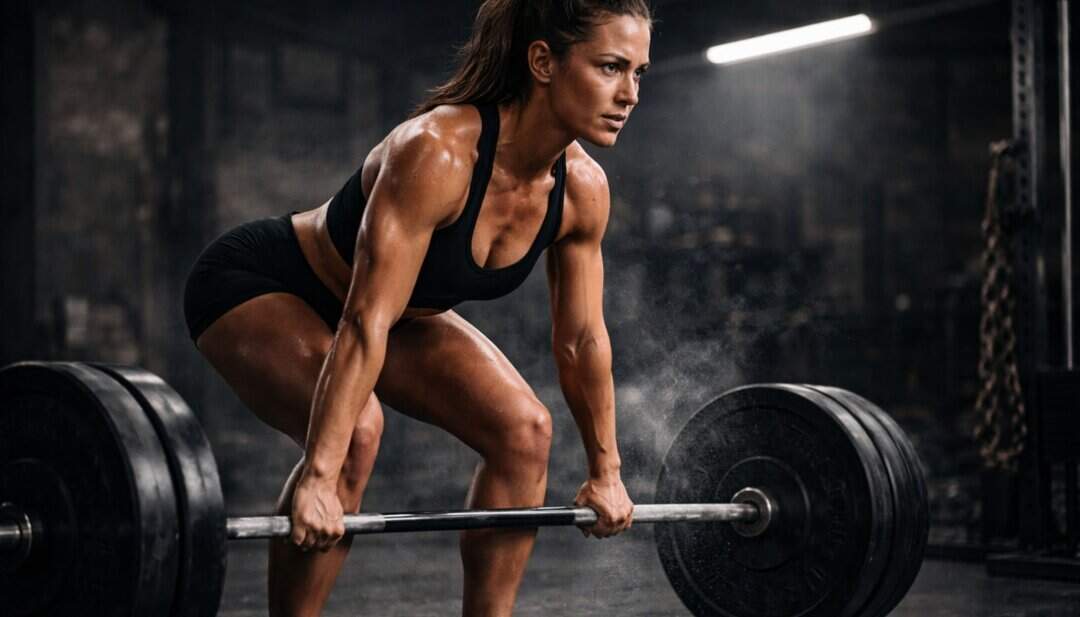
To maintain and build muscle your body needs progressive resistance. It needs to be challenged to the point where it has to rebuild and adapt. That stimulus, that specific signal, is what lifting weights provides and what no other training modality fully replaces. This is not an opinion. It is how muscle protein synthesis works at a physiological level.
What ageing without strength training actually looks like
Bone density drops, particularly post-menopause when oestrogen, which helps protect bone, declines sharply. Metabolism slows because there is less muscle tissue burning energy at rest, which is why body composition tends to shift even when eating habits have not changed. Balance deteriorates because the stabilising muscles around joints weaken. Insulin sensitivity decreases, increasing the risk of type 2 diabetes. And cognitive function, yes, even the brain is affected. Studies have found associations between muscle loss and increased risk of dementia and depression. The body is a system and muscle is more central to that system than most people appreciate until something goes wrong.
What two to three sessions a week actually does
You do not need to live in the gym. You do not need to become a powerlifter. Two to three strength sessions a week with progressive resistance is enough to preserve muscle mass, increase bone density, improve insulin sensitivity, protect your joints, and support the cognitive and metabolic health that most people assume is just an inevitable part of getting older.
The version of you that is strong, independent, and moving freely at 70 and 80 is not luck. It is the result of choices made now. Keep the Pilates. Keep the cycling. Add the weights. Do it for that version of yourself, because she is counting on what you do today.
Need help? Chat to me directly on WhatsApp.
💬 Chat to Lil on WhatsApp