You’re training. You’re consistent. You’re doing the “right” exercises. And still, nothing changes. That’s usually not a work ethic problem. It’s a movement problem.
Your body is very good at finding shortcuts. If your glutes aren’t doing the job, something else will. And the more you repeat it, the more you reinforce it. Adding more volume won’t fix that. Neither will another programme. If your mechanics are off, you’re just working harder at the wrong thing. This is the piece most people never address, and it’s why they stay stuck.
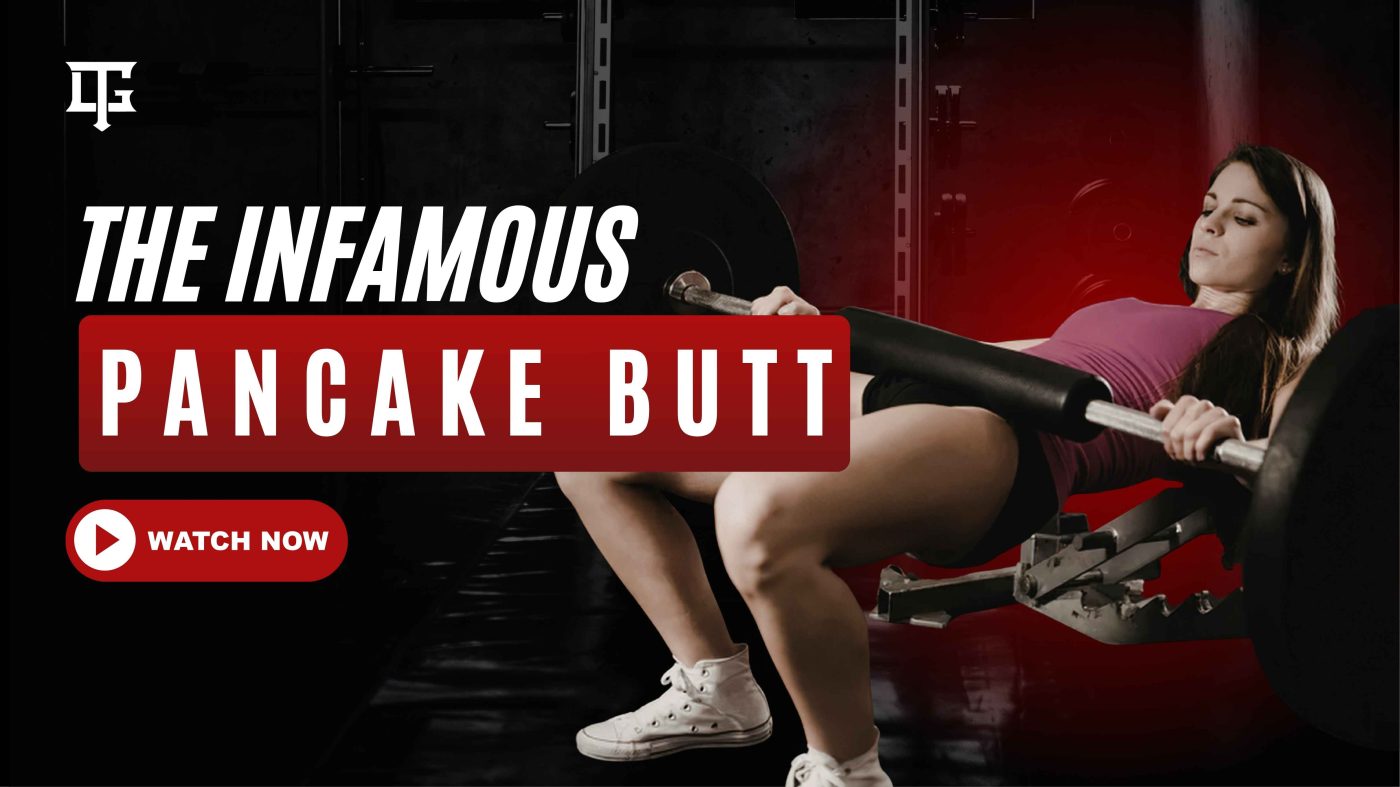
I cover exactly what is happening and why in the video below. What I want to add here is the biomechanics behind it, because once you understand what your body is actually doing, it changes how you approach every single session.
What is actually happening when you squat or hip thrust
When you do a squat or a hip thrust, your brain thinks your glutes are working. But your body has found a workaround. The low back kicks in, the quads take over, the hamstrings compensate, and your glutes, the very muscle you are trying to build, are barely firing at all.
This is not you being lazy. This is simple biomechanics. Years of sitting, years of movement habits, muscle imbalances your body has quietly learned to work around. The nervous system is extraordinarily efficient at finding the path of least resistance, and if that path bypasses your glutes, it will take it every single time without you knowing.
Why the compensation pattern keeps reinforcing itself
Every rep completed with hamstring or lower back dominance strengthens the neural pathway of that compensation. The body is not making a mistake. It is doing exactly what it has been trained to do. Which means the longer this goes on unaddressed, the more automatic it becomes. You could follow every trending glute workout on Instagram and train until you are blue in the face, and if the movement pattern is off, you are literally flogging a dead horse.
The pancake bum is almost never a training volume problem. It is a movement quality problem. And movement quality is invisible from the outside, which is why most people never realise it is happening.
What reciprocal inhibition actually means for your training
The most common root cause is tight hip flexors creating what is known as reciprocal inhibition. When the hip flexors are chronically shortened, usually from prolonged sitting, they actively suppress the opposing muscle group. Your glutes get switched off before you even warm up. On top of that, anterior pelvic tilt places the glutes in a mechanically disadvantaged position where the body automatically offloads the work elsewhere.
The result is that the movement gets completed, the weight moves, the log says the session is done, but the target muscle never received the stimulus it needed to adapt and grow. This is why people can be consistent for months and see almost no change in the posterior chain.
What actually needs to happen before you add another set
Before you add another kilogram to the bar or another set of hip thrusts to your week, the movement pattern needs to be assessed. Not by watching a YouTube tutorial. By someone who actually watches you move. A coach who understands movement assessment can spot within minutes why your glutes aren’t firing. They’ll see the hip shift in your squats, the quad dominance stealing the work, the compensation patterns your body has built up over years of training.
Hard work matters. But hard work without the right guidance is just exhaustion with no payoff. Once your glutes are actually firing properly under load the way they are supposed to, that is when everything starts changing. That is when the work you are putting in finally starts to show up.
Need help? Chat to me directly on WhatsApp.
💬 Chat to Lil on WhatsApp