If you’ve been eating clean, training consistently, and still not seeing the results you expect, this isn’t a motivation problem. It’s an information problem.
“Clean eating” is one of the most recycled ideas in fitness, and it’s quietly doing more damage than people realise. Not because whole foods are bad. But because “clean” has become a substitute for understanding, and understanding is the only thing that actually moves the needle.
The uncomfortable truth about healthy food
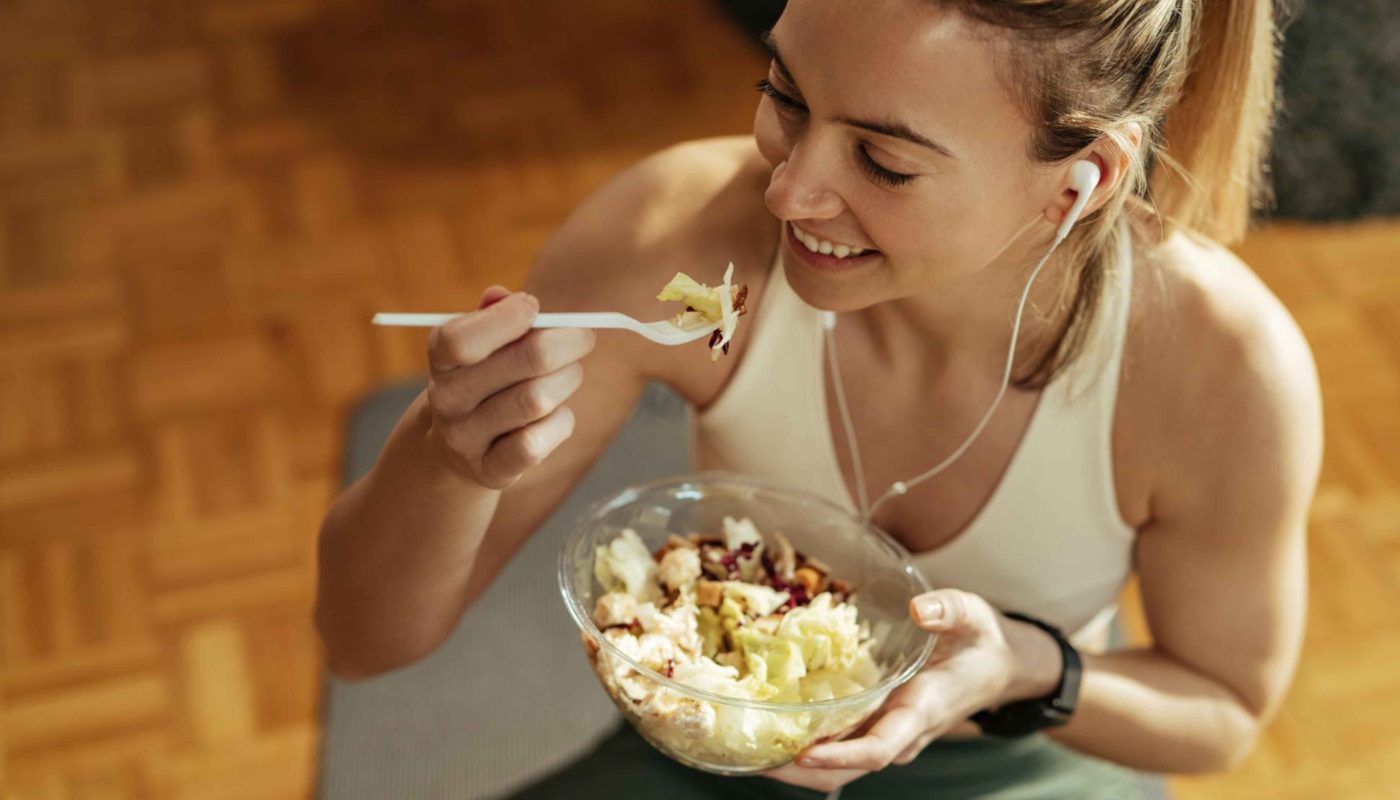
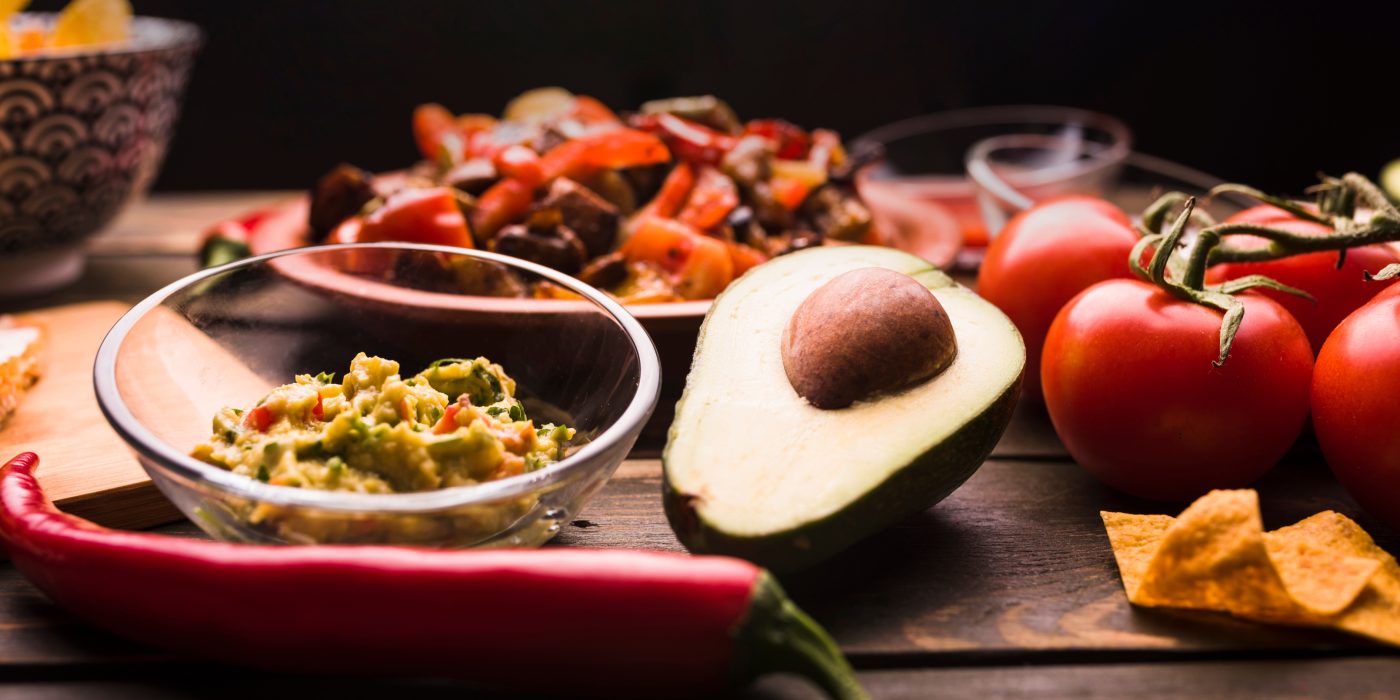
Avocado is clean. Oats are clean. Nuts, olive oil, brown rice, and sweet potato are all clean. It is also extremely easy to overeat.
A handful of almonds is around 170 calories. An avocado can sit at 300. A “healthy” smoothie bowl can push past 700 before you have added the toppings. None of that is bad food. But if it’s pushing you into a caloric surplus, your body doesn’t care how organic it was.
Fat loss is driven by energy balance. Not food quality. Quality matters for health, performance, and sustainability, but it does not override physics.
Why “clean” became a problem
The clean eating movement gave people a framework that felt empowering: eat good food, avoid bad food, and results follow. The problem is that the framework skips the most important variable entirely: how much.
When results don’t come, the default response is to eat cleaner. Cut more food groups. Add more restrictions. Get more disciplined. And the frustration compounds because the effort is real, but the logic is flawed.
You can eat “perfectly” and still be in a surplus. You can eat imperfectly and still be in a deficit. The scale doesn’t grade your food choices; it responds to your totals.
What actually drives results
The principles aren’t complicated, but they do require honesty:
- Total calories — are you in a deficit, maintenance, or surplus?
- Protein intake — are you eating enough to preserve muscle while in a deficit?
- Consistency — are you tracking accurately, or estimating optimistically?
- Trend over time — is your weight trending in the right direction over weeks, not days?
These aren’t exciting. They don’t have a brand. But they’re what separate people who make progress from people who stay frustrated.
“Clean” doesn’t mean controlled
You can have a clean diet and zero control over your outcomes. You can also have a flexible, imperfect diet and complete control, because you understand what you’re actually doing.
The goal isn’t to eat perfectly. The goal is to understand your intake well enough to adjust it deliberately.
If you are not tracking the basics, you are guessing. And guessing is why results feel random. In the latest OTG Method video, we go deeper on exactly this: what drives fat gain and fat loss, why healthy foods can still work against you, and the simple shift in thinking that makes everything clearer.
Clean doesn’t mean controlled. Start there.

Need help? Chat to me directly on WhatsApp.
💬 Chat to Lil on WhatsApp