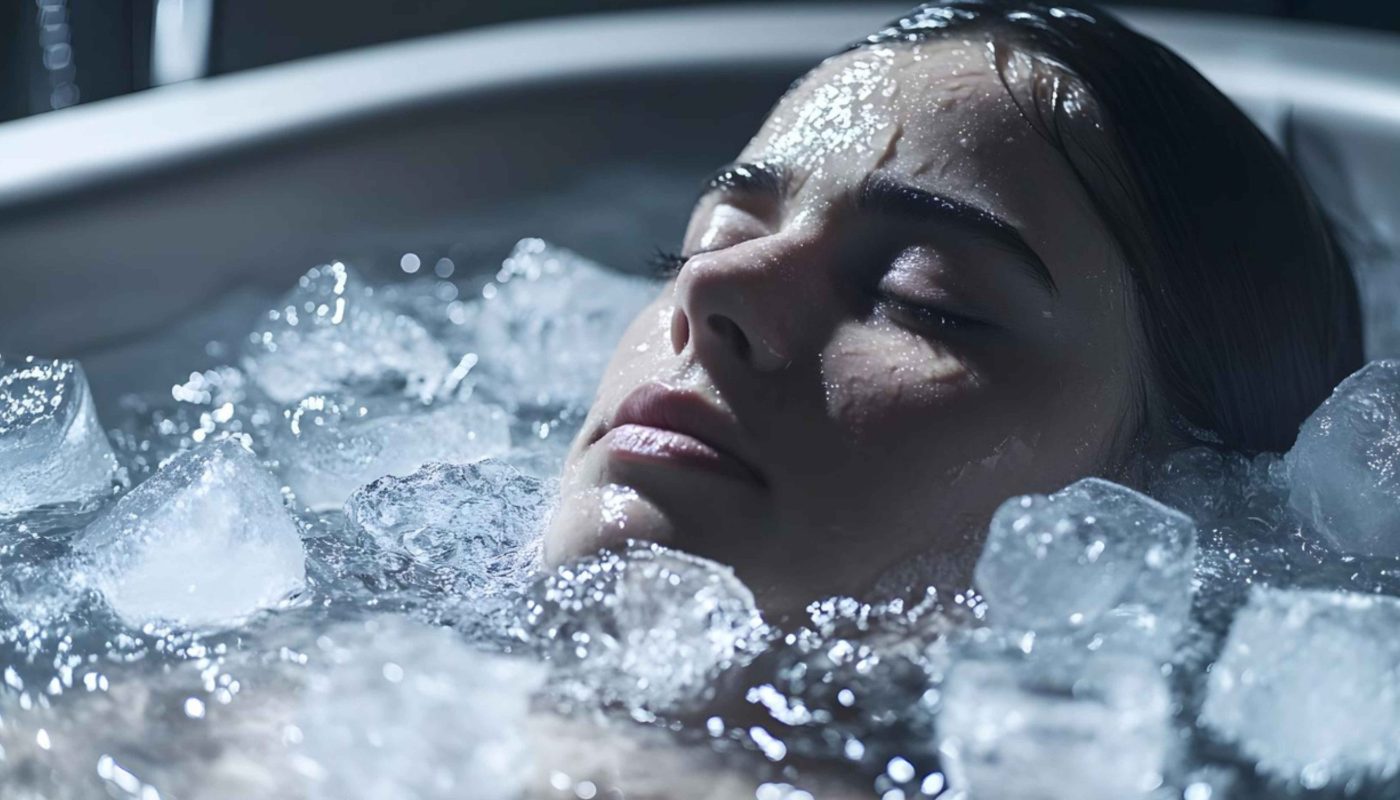
Cold plunges have become one of the biggest recovery trends in fitness right now… but most people are using them completely wrong. If your goal is building muscle, improving strength, fat loss, and athletic performance, timing matters more than you think.
Because while ice baths and cold water immersion can help reduce soreness, improve recovery, support mental resilience, and lower stress… they can also blunt hypertrophy and interfere with muscle growth when used incorrectly after resistance training.
In this video, I break down the science behind cold plunges, recovery, hypertrophy, inflammation, strength training adaptation, and when ice baths actually help performance versus hurt progress.
If you’re serious about recovery and results, this is worth understanding.
Below I go deeper on the physiology behind why timing changes everything.
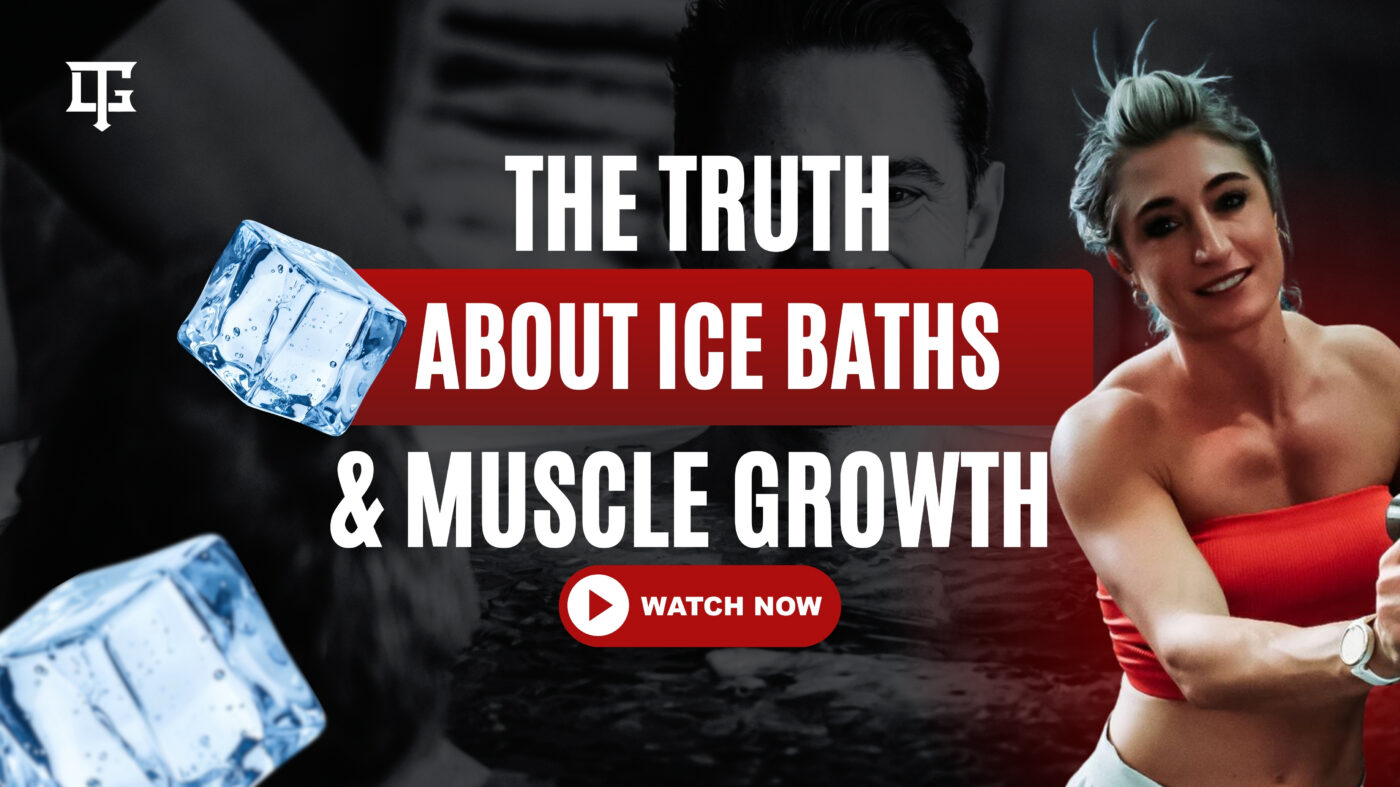
Do cold plunges blunt muscle growth?
Yes, they can. And this isn’t an opinion. This is backed by multiple controlled studies and meta-analyses. When you lift weights, you create a cascade: muscle damage, inflammation, increased blood flow. That’s the signal for growth. Cold water immersion does the complete opposite. It reduces blood flow, reduces inflammation, lowers muscle temperature. And there’s evidence showing this can actually reduce muscle protein synthesis and long-term hypertrophy when used immediately after resistance training. So if your goal is building muscle, jumping into an ice bath straight after lifting is like hitting the brakes on the exact process you just trained for.
Here’s where people are getting it wrong
They hear that and they go “cold plunges are useless.” Not even close. Cold plunges are incredibly effective, just not for what most people think. Cold plunges reduce muscle soreness. They improve perceived recovery. They allow you to feel ready to go again faster. And that matters in a specific context. If you are in season, competing frequently, training multiple times per day, then recovery becomes the priority, not the adaptation. That’s why elite athletes actually use them. They’re not chasing the growth. They’re chasing repeat performance.
When to use them and when to avoid them
Avoid cold plunges right after strength training or hypertrophy sessions, and during phases where your goal is muscle growth. Use them after conditioning sessions, during high frequency training or competition, on rest days, or several hours away from lifting. Timing is absolutely everything. You don’t need to remove them. You just need to respect what they actually do.
The part that no one talks about enough
Mental resilience. Cold exposure is controlled stress. You stepping into discomfort, your breathing spikes, your body wants to tap out and you stay. That builds your stress tolerance, your emotional control, the ability to stay calm under pressure. And there’s growing evidence linking cold exposure to improved mood and reduced anxiety, likely through activation of the sympathetic nervous system followed by a strong parasympathetic rebound. But even without the science, you’re going to feel it. That moment where your mind wants to quit and you don’t, that is the carryover.
The bottom line
Cold plunges are a recovery tool when used correctly, a performance tool in the right phase, a psychological tool year round. But they’re not a muscle building tool. And this is where the industry has drifted. People are spending more time in ice baths tracking recovery metrics than actually training with intent. Recovery only matters if you’ve done something worth recovering from. Sleep, nutrition, hydration, that’s your absolute foundation. Everything else is just an add-on. Use cold plunges. Just don’t let them take priority over the thing that actually drives results. Training still comes first. Always.

Need help? Chat to me directly on WhatsApp.
💬 Chat to Lil on WhatsApp